
Hot drinks + “paper” cups -> microplastics
John McNeil, MD
One of the major plastic exposures that Americans regularly face is also, fortunately, one of the easiest to fix.
This is a great video capturing what happens when you drink a hot beverage out of a disposable “paper” cup:
Scientists in China have quantified the amount and microplastics released from disposable “paper” cups.
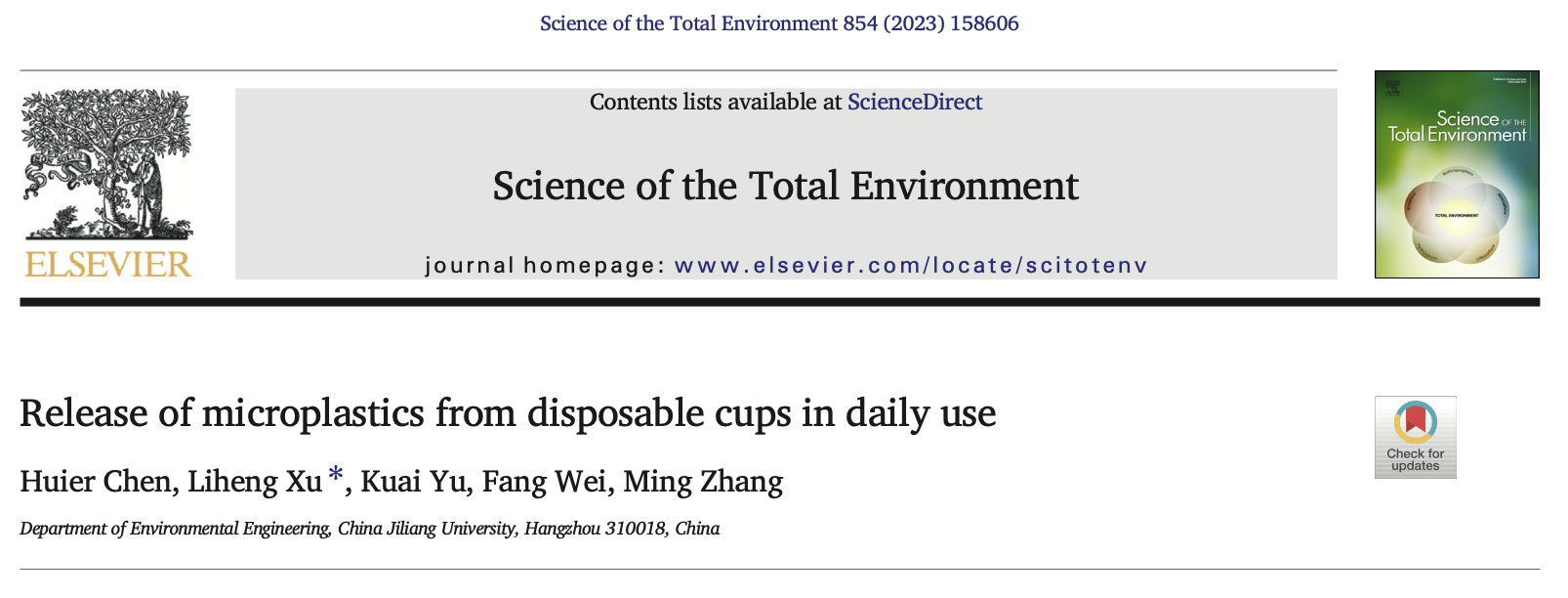
Most “paper” cups from coffee shops are lined with polyethylene. Studies such as the one above from China have shown that these cups, particularly when filled with hot fluid, release thousands of microplastics. In fact, in this study “paper” cups released similar amounts of microplastics are plastic cups.
Using data from this study, a 16 ounce coffee in a “paper” cup at around 200 degrees Fahrenheit (standard starting temperature of black coffee) would release about 1,500 microplastics into the coffee. If you drink one 16 ounce “paper” cup of black coffee a day, five days a week, over one year you would consume nearly 400,000 microplastics. Many of these particles will travel through your GI system and be excreted, but not all. Some will be absorbed into your body.
Interesting, carbonated fluid accelerated microplastic release. Re-using a “paper” cup slightly reduced the amount of microplastics shed, but a significant amount remained. Unsurprisingly, increased heat was strongly associated with more plastic release.
Thankfully, this is one of the easiest microplastic exposure routes to avoid. Just bring your own reusable stainless steel mug to your favorite coffee shop! Some coffee shops, like Shenandoah Joe’s in Charlottesville, give you a discount when you do so. Your microplastic exposure is drastically reduced and your drink stays hot much longer! I carry my Stanley reusable mug to work everyday, and also keep a clean backup one in my car at all times.